Engineering Support Since 2016Projects · Research · Software Guidance

Research & Thesis Support

From research question to evidence you can defend.

Engineering research support built around the logic of a defensible study: frame the question, select the method, develop the model or analysis, validate the evidence, and communicate the conclusion clearly.

Methodology Modelling & Simulation Numerical Analysis Validation Thesis & Viva

Where Research Gets Stuck

Most research problems are not “software problems.”

The difficult part is usually the reasoning between the question, the method and the evidence. Support is organised around that chain, not around producing isolated outputs.

Problem 01

The topic is broad but the engineering question is unclear.

A study needs a bounded technical question with measurable variables and outputs before modelling or simulation becomes useful.

Typical work:
  • Scope and objective refinement
  • Variable and assumption definition
  • Methodology mapping
Problem 02

The model runs, but there is no clear validation strategy.

A result is not evidence until its behaviour can be checked against a reference, expectation, comparison or sensitivity test.

Typical work:
  • Verification and validation route
  • Benchmark or comparison logic
  • Sensitivity and convergence checks
Problem 03

Results exist, but the discussion does not explain what they mean.

Research quality depends on connecting plots and numerical outputs back to the engineering question and the chosen methodology.

Typical work:
  • Evidence-led interpretation
  • Technical figure selection
  • Discussion and defence preparation

Methodology & Validation

Build the study as a traceable engineering argument.

The strongest research workflow makes every stage explainable: why this method, why these assumptions, how the model was checked, and what the evidence supports.

Review your methodology →
Evidence chain Question → Method → Evidence → Conclusion
Research question
Define what the study is actually testing. Objective, variables, constraints and the expected engineering output.
Method
Select a method that can answer that question. Analytical, numerical, simulation-based, experimental or a justified combination.
Model / data
Make assumptions and inputs explicit. Geometry, parameters, datasets, boundary conditions, scenarios and preprocessing.
Validation
Demonstrate that the result is technically credible. Benchmarks, comparison, convergence, sensitivity, error or expected physical behaviour.
Conclusion
State only what the evidence supports. Interpretation, limitations, engineering implications and defensible conclusions.

Methods & Technical Tools

Choose the method first. Then choose the software.

Software is useful only when it serves the research design. The technical route depends on what must be calculated, modelled, compared or validated.

Research need
Typical methods
Possible tools
System behaviour Dynamic response, control, energy flow
System modelling & numerical simulation Equations, state models, scenarios, control logic
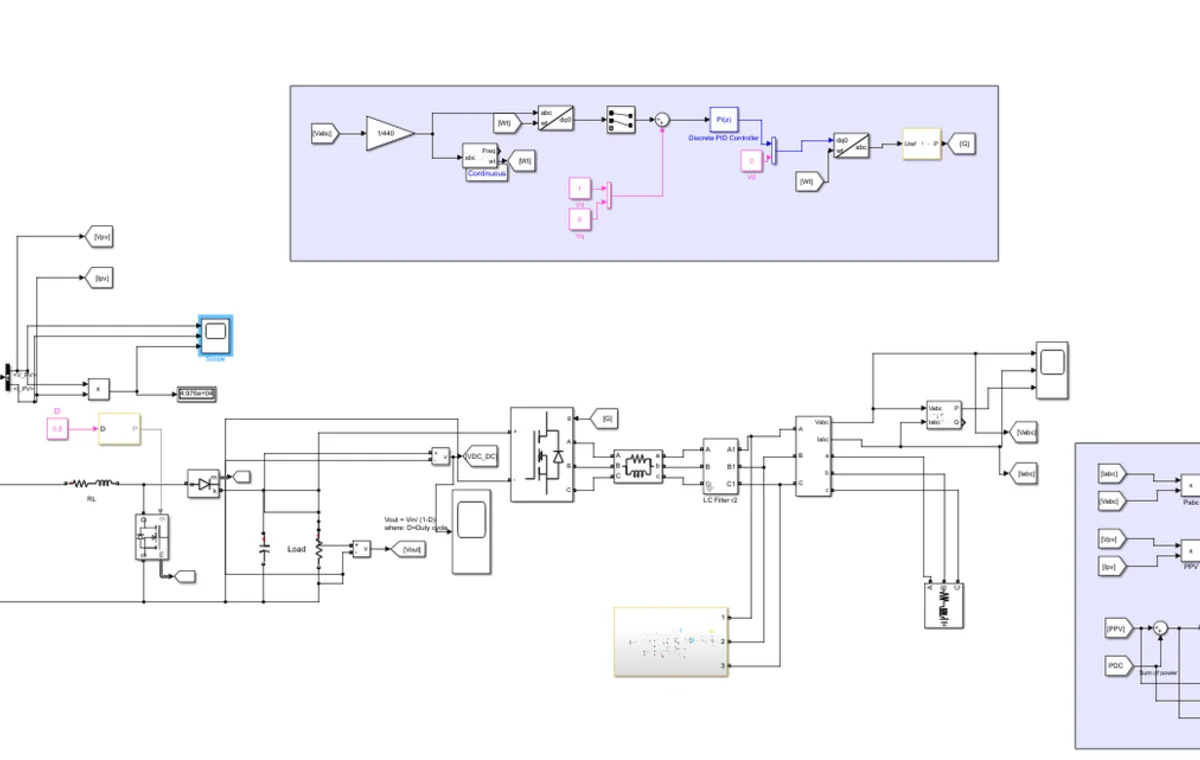
MATLAB / Simulink Used when appropriate to the study design
Structural or thermal response Stress, deformation, heat, material behaviour
Finite element / numerical analysis Meshing, loads, boundary conditions, convergence
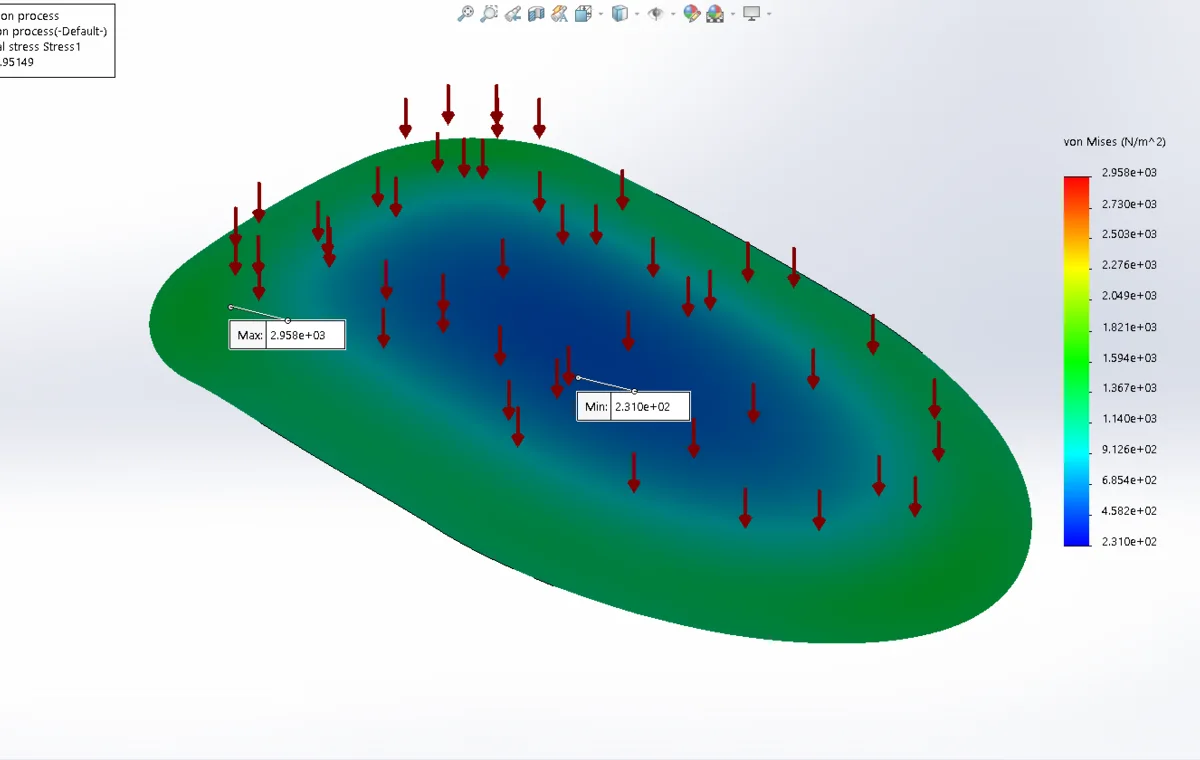
Abaqus / ANSYS Depending on the required analysis
Flow or transport phenomena Velocity, pressure, thermal-fluid interaction
CFD / computational modelling Domain, mesh, turbulence model, residuals
ANSYS Fluent / CFD tools Chosen according to the research problem
Data-driven comparison Trends, error, performance, sensitivity
Data processing & numerical analysis Cleaning, metrics, plots, comparisons
MATLAB / Python / spreadsheets Selected according to data and analysis needs

From Results to Evidence

A plot is not a conclusion. The interpretation is the research.

Technical support can focus on turning raw outputs into a defensible evidence set: checking behaviour, comparing scenarios, explaining trends and identifying what the results do—and do not—support.

Verification Does the model solve the intended problem correctly?
Validation Is the model behaviour credible for the real engineering question?
Sensitivity Which assumptions or parameters materially change the result?
Interpretation What engineering conclusion is supported by the evidence?

Thesis & Viva Preparation

The final document should expose the logic—not hide it.

Research support can extend from technical development into the way methodology, evidence and limitations are organised for a thesis, presentation or viva.

01

Technical figures

Select plots, tables, model views and comparison figures that carry actual evidence rather than visual clutter.

02

Results discussion

Connect each result to the research objective, method, expected behaviour and limitations.

03

Presentation structure

Build a concise technical story: problem, method, validation, evidence, conclusion and contribution.

04

Viva readiness

Prepare to explain assumptions, modelling decisions, validation, unexpected results and study limitations.

Academic Responsibility

Easy Way provides technical guidance and engineering development support within clear academic boundaries. You remain responsible for your institution's rules and for the material you submit.

The goal is work you can understand, explain and defend.

Common Questions

Before sending your research.

You can start from a topic, proposal, partial model, dataset, supervisor note or an existing set of results.

Can I contact you before the methodology is final?

Yes. The research question, objectives, constraints and available material can be reviewed before the technical method is fixed.

Can you review an existing model or simulation?

Yes. Existing assumptions, code, boundary conditions, calculations, model setup and outputs can be reviewed within the agreed scope.

Can support focus only on validation or results?

Yes. The scope can focus on verification, validation, sensitivity, comparison, result interpretation or presentation.

What should I send first?

Send the topic or proposal, current work, supervisor feedback, required deliverables, software constraints and deadline.

Research & Thesis Review

Send the research question, current evidence and the technical issue blocking progress.

A finished proposal is not required. Partial models, datasets, calculations, plots, screenshots or supervisor notes are enough to begin an initial technical review.